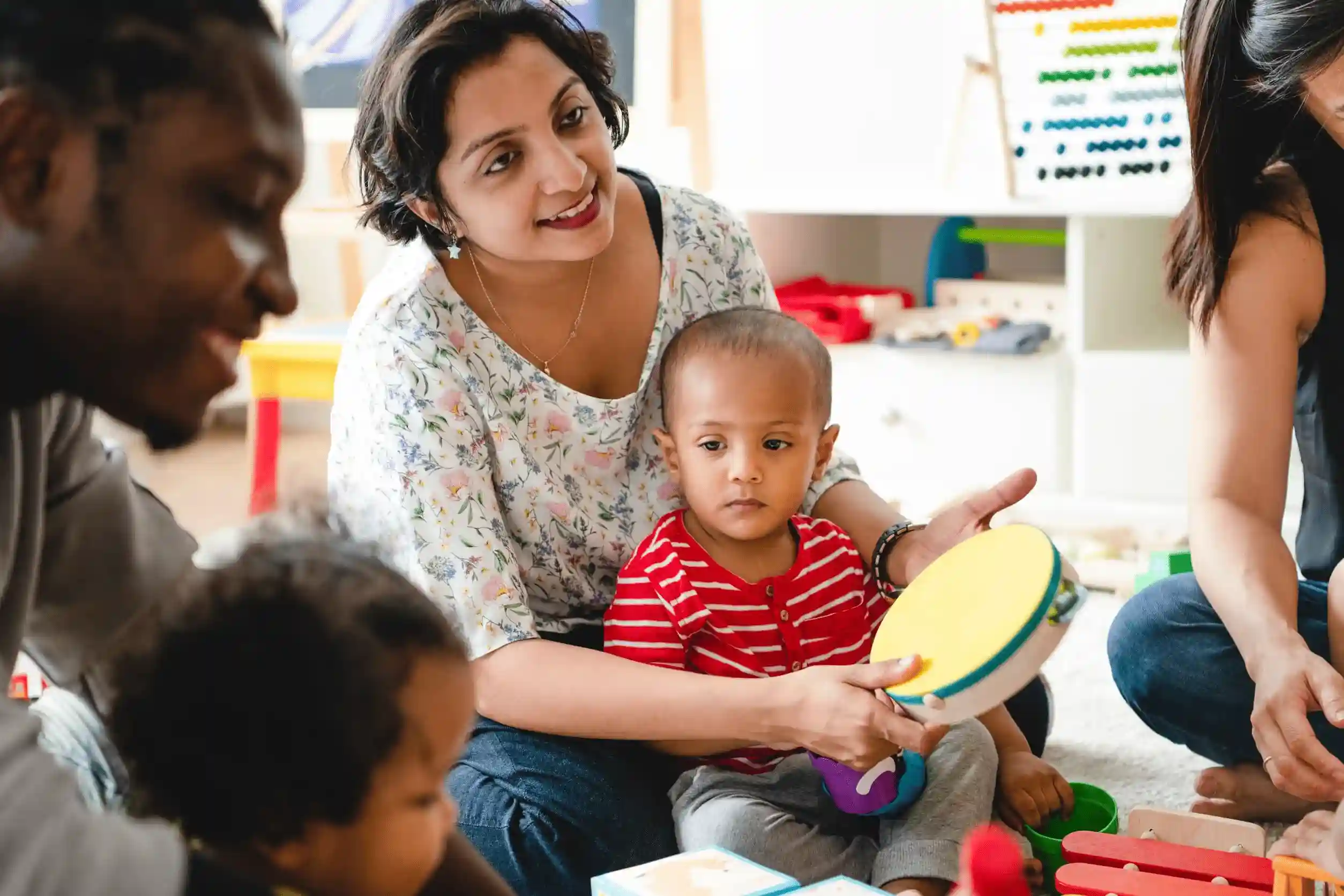
At Chiltern, we strive for a caring world where music therapy is the transformative thread in everyday life.
Together we harness the power of music, inspire through human story and fascinate through science to create a network of champions.
Our impact between 2024-2025


Specialist digital and in-person services across England, using the power of music to support individuals.
Whatever your age or need, we are here to support you!

Music Therapy
Tailored sessions that utilise music to support communication, cognition, motor skills, mental health and emotional well-being for people of all ages and abilities. Individual or group sessions available.
.avif)
Neurologic Music Therapy®
Evidence-based techniques aimed at assisting those with neurological conditions, focusing on improving speech, cognition, and motor skills.

Community Music
Group sessions for individuals who enjoy music-making and singing, fostering community and joy with those with similar needs.
Feedback from our Services
Discover the impact of music therapy across the organisations we support.
"I have only positive feedback about the music therapy sessions. The residents enjoy it immensely, and the family members always have positive things to say about the sessions."

"Music therapy has been a positive addition to the provision we offer our learners."
"Thank you so so much for the joy you bring into our home. The residents living with dementia absolutely love your sessions"
"Our pupils really look look forward to their sessions with Lauren and support staff always comment on the level of engagement and regulation after a lesson."
"This therapy is vital in getting some of our learners to consistently attend an educational setting following many years of self exclusion"
"Working with music therapy has helped to create more creative ways for patients to improve and progress through their rehabilitation journeys."
"Music therapy is an incredibly valued part of the multidisciplinary team in our service. It supports us to think outside of the box and engage clients in their therapy in new ways to achieve their goals."
Experience the Impact of Our Work
Watch the video below to see first hand the difference our practitioners make.
Elevate Your Practice:
Upcoming Training Events
We provide regular CPD and practical training for Music Therapists, community musicians, Arts in Health practitioners, and professionals in care and education. Training is delivered online, in person, or on-site, and is designed to build confidence and practical skills in using music to support wellbeing, communication and connection.
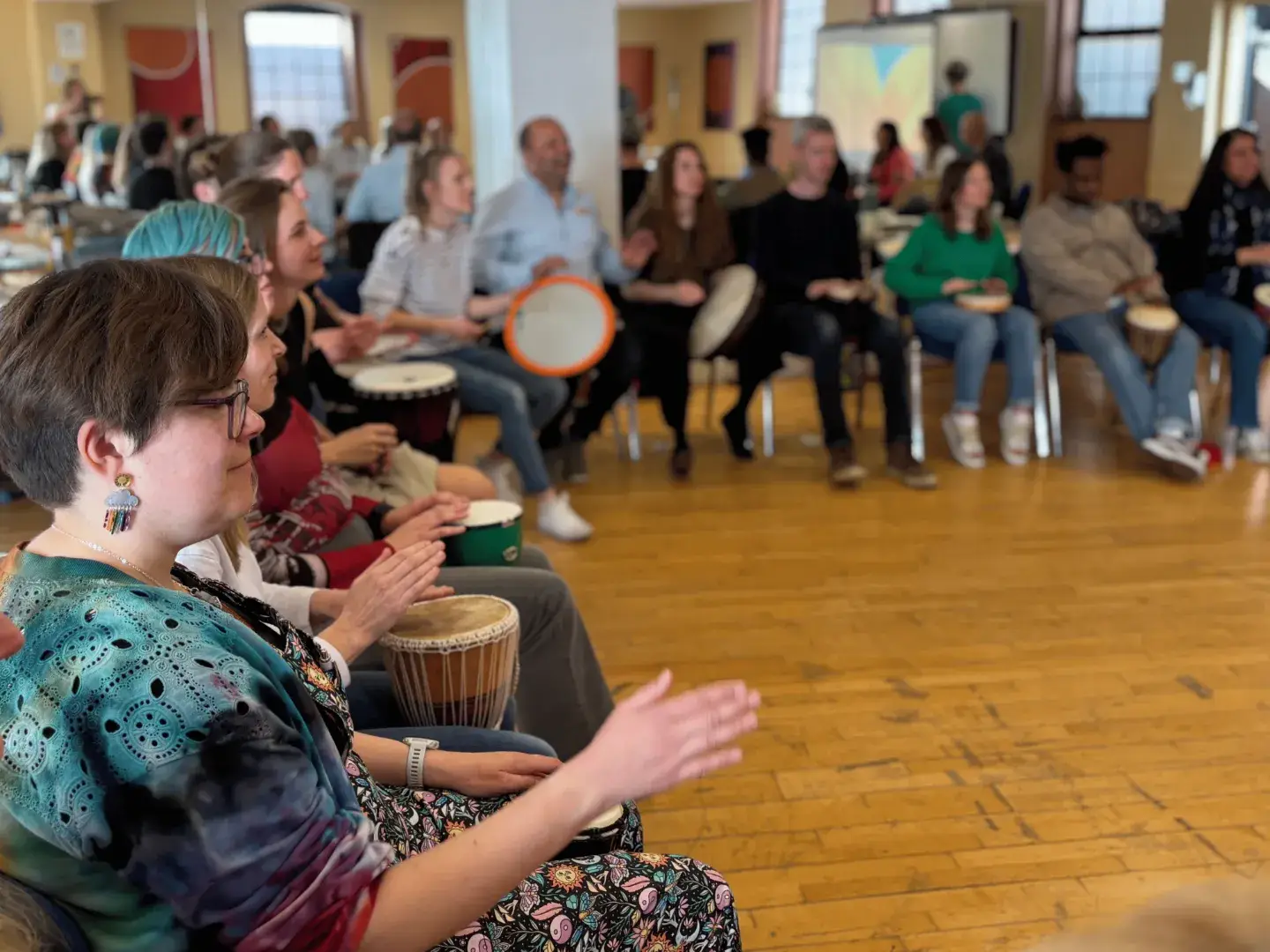
Upcoming Trainings
We offer a regular programme of online and F2F training events for Music Therapists and other professionals. Alongside new topics, we run popular sessions throughout the year - including Outcome Star training, sensory processing training, and more.

Bespoke Training & Lectures
We partner with mainstream and special schools, care settings, businesses, and music trusts to deliver bespoke staff training. We also work with universities to provide lectures for music therapy students and other AHP students.

NEST Programme
Chiltern Music Therapy’s CPD-accredited NEST Programme offers training, peer supervision, mentoring, and support specifically for newly and recently qualified Music Therapists.

Discover how our work is making a difference in the community
Stay informed about our latest initiatives, events, and insights into the transformative power of music therapy.

%20(1).png)
Frequently asked questions
The questions we're asked most often, answered. Anything else, get in touch and we'll talk it through.
Music therapy sessions are led by an HCPC-registered Music Therapist and are shaped around the person taking part. We always begin with an assessment, which gives the therapist a chance to meet the person, understand what matters to them and agree what the sessions should work towards. Sessions can take place in person or online, one-to-one or in a group.
We work with people of all ages and needs. You can read more about our approach on our Music Therapy page, or make an enquiry and we will talk you through the options.
Music Therapy and Neurologic Music Therapy® (NMT™) both use music to support health and wellbeing, but they have different clinical focuses. Music Therapy supports emotional wellbeing, communication, relationships and self-expression through shared musical experiences tailored to the individual's needs.
NMT™ uses music to support the development or rehabilitation of movement, speech and language, and cognitive skills following neurological injury, or in people living with neurological conditions. Some Music Therapists are also trained in NMT and may use these techniques in sessions when appropriate.
If you are unsure which is most suitable, we are happy to discuss your needs and recommend the best option. Get in touch and we will help you decide.
Both digital and face-to-face music therapy provide effective, person-centred support, with the same therapeutic goals and quality of care. Face-to-face sessions offer shared musical experiences in the same space and access to a wider range of instruments, while digital sessions provide the flexibility and convenience of accessing therapy from home.
Online sessions can include singing, improvisation, song writing, listening to music, movement and discussion, all adapted for the digital environment. The most suitable format depends on your individual needs, preferences and circumstances, and some clients choose to combine both.
If you are unsure which option is right for you or someone you are referring, we are happy to discuss your needs and recommend the approach that best supports your goals. You can read more on our Online page.
Our pricing depends on the setting, the length of the provision and the number of people taking part, so we quote for each service individually rather than working from a fixed price list. For care homes, schools and other organisations we offer half-day and full-day provisions which can be tailored to your residents' or service users' needs, covering anything from individual to group sessions.
Get in touch to speak to a member of our services team and we will talk through what this might look like for you.
Support our Work
Your contributions enable us to provide music therapy to the most vulnerable and isolated members of our society.


.avif)
.avif)
.avif)
.avif)