


No matter how old we are, music can play an important role in supporting our wellbeing. It might be through active participation, for example in a choir, playing in a band or simply singing in the shower, or perhaps more receptive through listening to music. Music has the power to evoke a memory, to stir an emotion in us, to create a desire to move and dance; it stimulates a response. Really importantly, for those who have a cognitive impairment music is proven to stimulate responses in all parts of the brain, so music and music therapy can play a vital role in supporting their physical and emotional wellbeing.
Music therapists working within a care home might be supporting individual clients and could be holding music therapy groups supporting residents together. Through music therapy we are looking to help support someone in maintaining cognitive, physical and communication skills, and to support emotional wellbeing. Music therapy is proven to reduce agitation and to be more cost effective than many other interventions used in care homes.*
Music can also be used to support residents in everyday living, such as getting dressed or walking to the dining room, and a music therapist can help advise care staff how to use music effectively thereby helping reduce anxiety and distress around these activities.
No matter how someone is able to participate, whether it’s through singing, playing, tapping a hand or foot, or just responding through their eyes, music therapists observe and respond to support a meaningful and equal relationship. For those who are finding it challenging to communicate, music often allows us a glimpse of the person inside, and to focus on what they have, rather than on what they have lost.
If you would like to find out more about bringing music or music therapy into your care home, please do get in touch.
*https://www.journalslibrary.nihr.ac.uk/hta/hta18390/#/abstract

Support our Work
Help us to provide Music Therapy to the most vulnerable and isolated members of our society
Discover more about our work
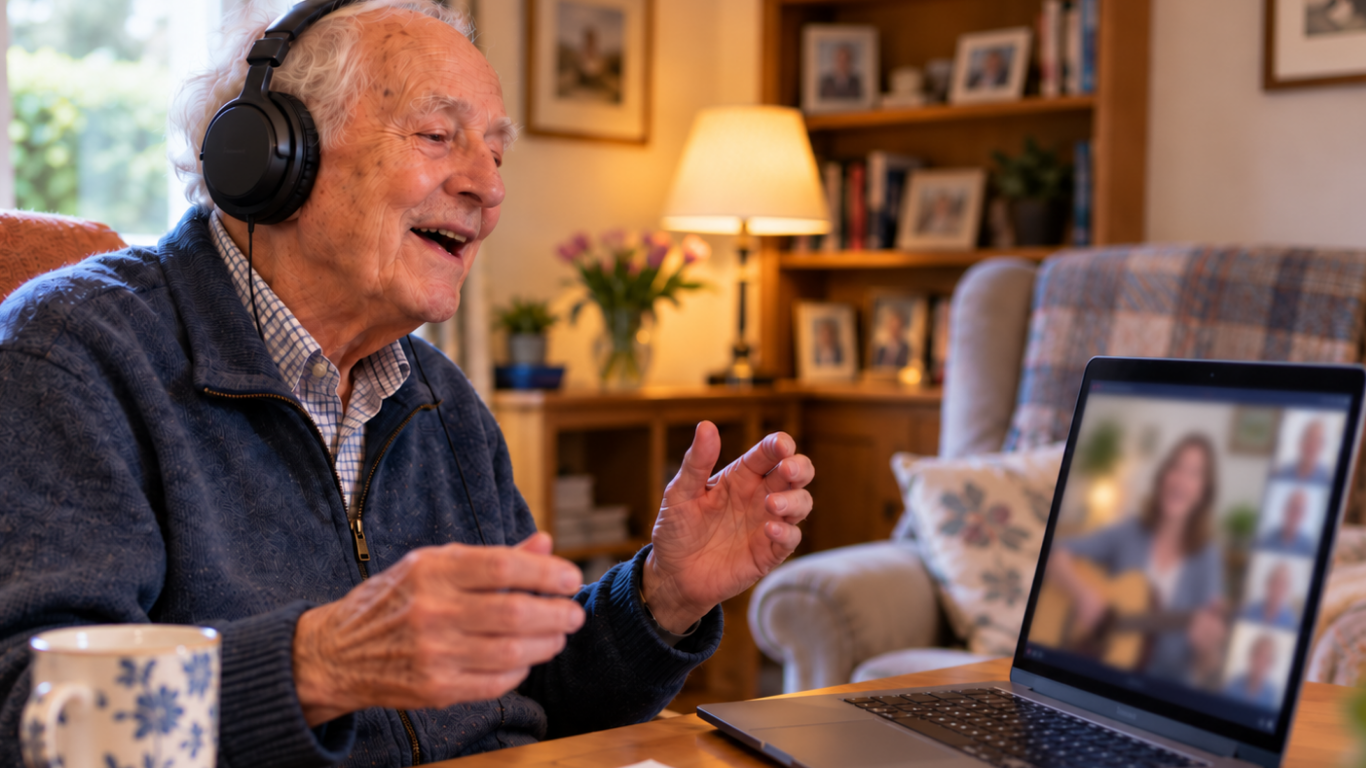
Introducing Our New Online Music Therapy Parkinson’s Group
Join from home for weekly sessions using music, rhythm, singing and gentle movement to support voice, movement and wellbeing.
Read more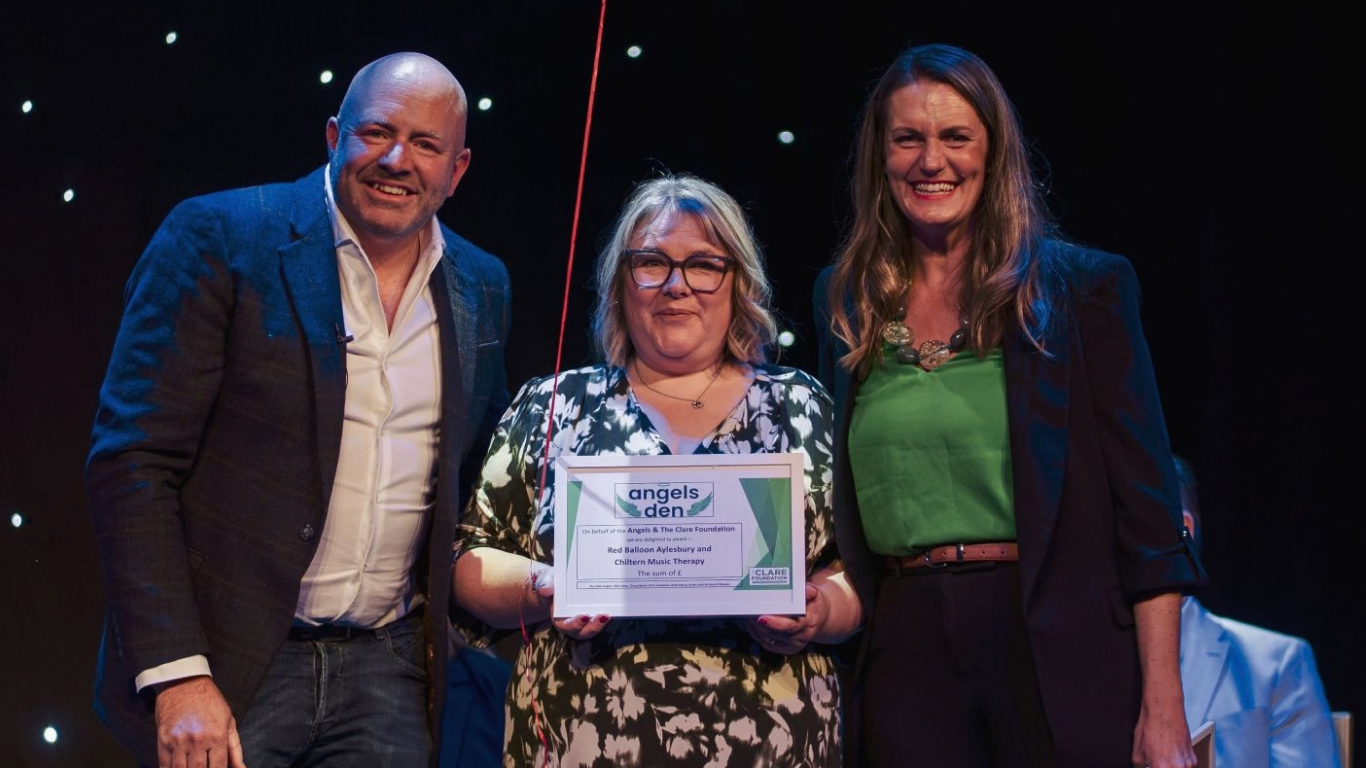
Chiltern Music Therapy and Red Balloon Aylesbury receive £12,000 at Angels’ Den 2026
The funding will support our partnership to provide music therapy at Red Balloon Educational Trust Centre in Aylesbury.
Read moreDiscover more about our work
Introducing Our New Online Music Therapy Parkinson’s Group
Join from home for weekly sessions using music, rhythm, singing and gentle movement to support voice, movement and wellbeing.
Read moreChiltern Music Therapy and Red Balloon Aylesbury receive £12,000 at Angels’ Den 2026
The funding will support our partnership to provide music therapy at Red Balloon Educational Trust Centre in Aylesbury.
Read more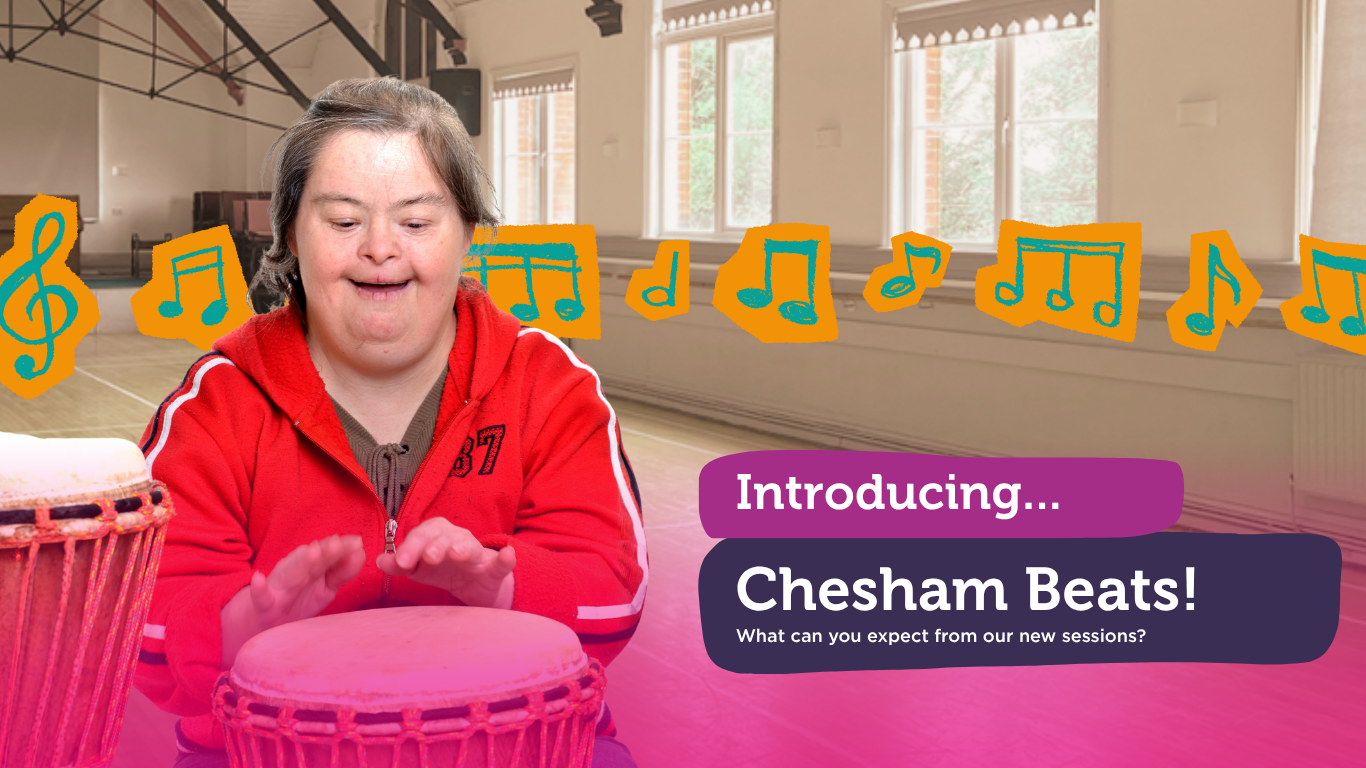
Inclusive Music Therapy Group Launches in Chesham
Chiltern Music Therapy is delighted to introduce Chesham Beats. A new weekly music therapy group designed for people with learning disabilities, autism and additional needs.
Read more