


Dementia & Alzheimer's
Living with dementia can often make communication difficult, but where words and thoughts become harder to navigate, music endures.
Reaching beyond conversation, a song can encourage focus and remembrance, bringing comfort and easing anxiety. Music therapy isn’t about performance; it’s about human connection. Our methods can help to reawaken relationships, spark memories, and bring a sense of belonging.

How Does It Work?
Music therapy is led by HCPC-registered Music Therapists who use music intentionally and therapeutically to support needs, either individually or in group sessions, through a structured, goal-focused approach, which can:
- Support maintaining communication, cognitive and physical skills
- Create space for self-expression, improving mood and reducing anxiety
- Inspire opportunities to connect with others, decreasing social isolation
- Support everyday activities through the use of music
- Support wellbeing in carers as well as patients
Sessions might involve singing familiar songs, gentle improvisation, or simply listening together. A person might join in with a rhythm, a word, or even just a glance. Each response offers a way to connect, even when verbal communication is limited.


What Are The Benefits?
Music therapy can support people in a range of ways, depending on their needs. For those with dementia or Alzheimer’s, it can:
- Improve overall health and wellbeing through lowering stress-related hormones
- Reduce behavioural and psychological symptoms of dementia
- Provide moments of connection with memories and other people
- Reduce agitation and depression
Our Music Therapists work alongside care professionals, introducing ways for them to use music intentionally - not as a performance, but as an integration to their existing practice of compassionate, person-centred care. Outside of a music therapy session, playing a favourite song while supporting daily routines, singing together during activities, or creating opportunities for quiet listening can all help people with dementia or Alzheimer’s feel more at ease.

The power of music in dementia care lies not only in what it does, but in what it reminds us of: that the person is still capable of feeling, responding, and connecting.
.avif)
Chiltern Becomes a Recognised NAPA Supplier
Becoming a NAPA-recognised supplier helps us make music therapy and practical music-based resources more accessible to care homes.
Read more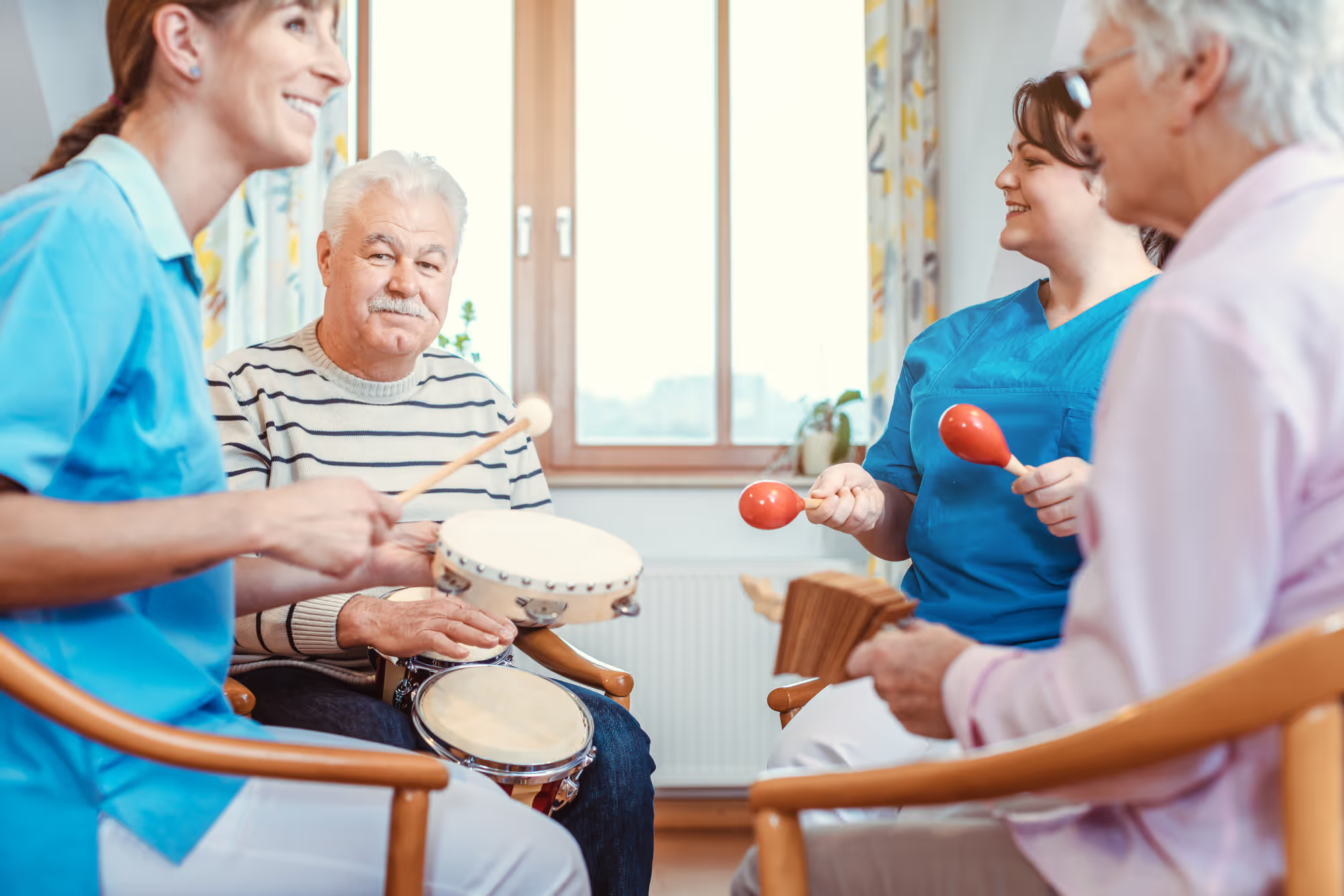
Nether Hall Care Home - Impact Report 2024-25
Valuable insights to our music therapy sessions at Nether all Care Home, including impacts and findings from both solo and group sessions.
Read more...Interested in knowing more?
Check out our research pieces to find out what work Chiltern Music Therapy is doing.
Read our research